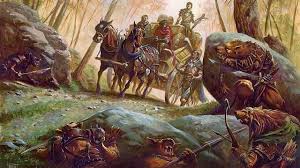
How a combat encounter starts sets the tone. The first impression informs the players about the threat, stakes, and environment. Common initiation methods include:
Surprise attack: Could be ambushed in a forest. Players feel tension and urgency. Encourages cautious strategy.
Agreed-upon time/duel: A challenge from a rival or villain. Shows respect and allows roleplay buildup.
Dungeon encounter: Pre-planned fights as part of exploration. Often teaches players mechanics or story context.
Infiltration: Combat begins as players are sneaking in. Highlights stealth or planning importance.
Each type influences gameplay. A surprise attack might trigger panic or clever tactics, while a duel emphasizes character abilities and story stakes. The initiation method also affects roleplay—players react differently if they’re ambushed versus prepared.
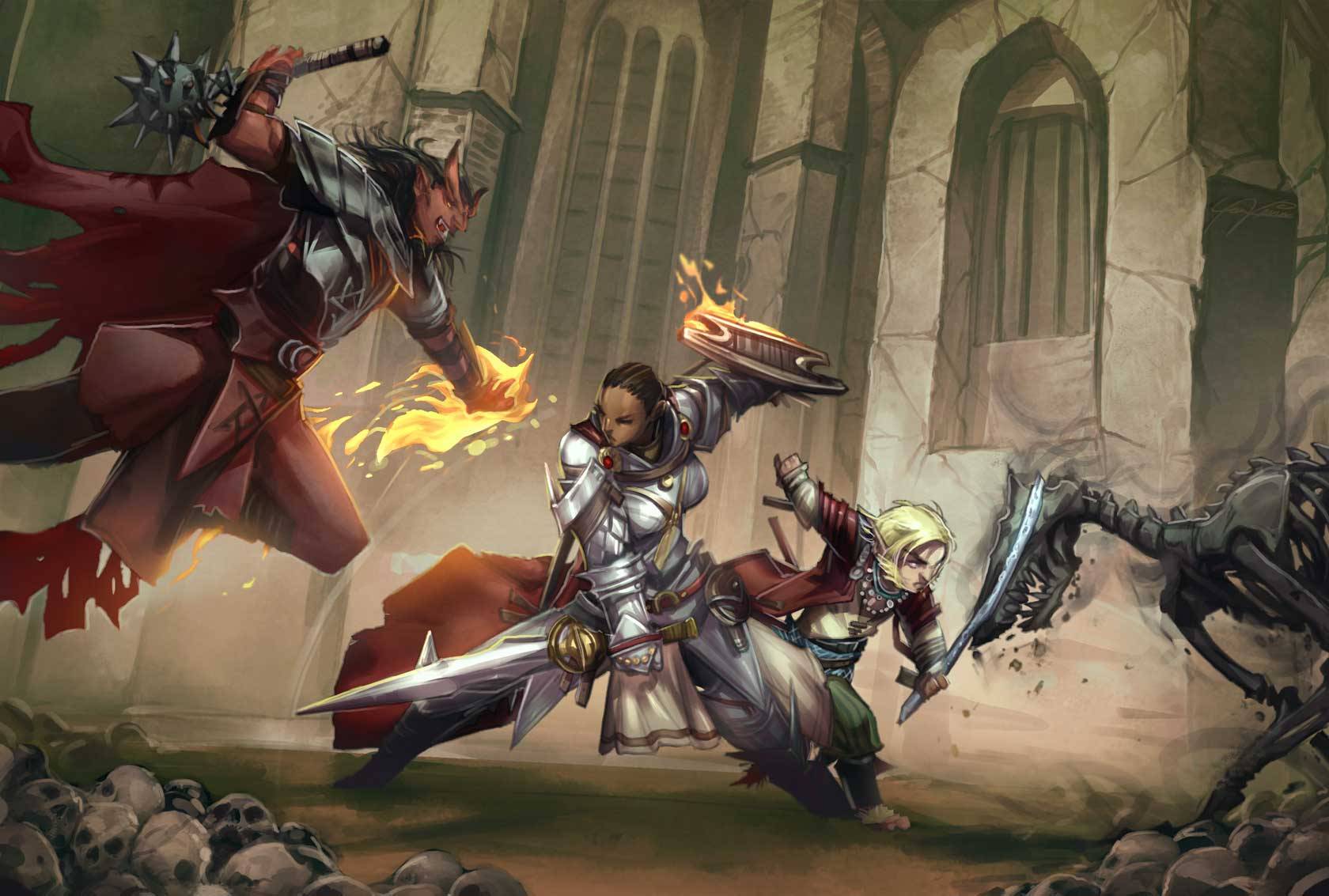
Combat in D&D is structured using turns and rounds. On a player’s turn, they can move, attack, cast spells, use items, or interact with the environment. Combat is a mix of strategy, creativity, and teamwork, and often includes:
Tactics: Positioning, cover, and abilities.
Resources: Spells, hit points, and consumables like potions.
Initiative: Determines turn order and adds tension.
Roleplay: Combat isn’t just numbers—players can taunt, negotiate mid-battle, or react to events creatively.
Combat challenges can vary. Boss fights test strategy, horde battles test endurance, and defending objectives tests planning. Players can approach combat in multiple ways—direct attack, stealth, or clever use of abilities and environment.
Understanding combat mechanics is essential for both DMs and players, but it’s equally important to remember fun and story impact. Combat should feel meaningful, exciting, and integrated into the world, rather than a simple obstacle.
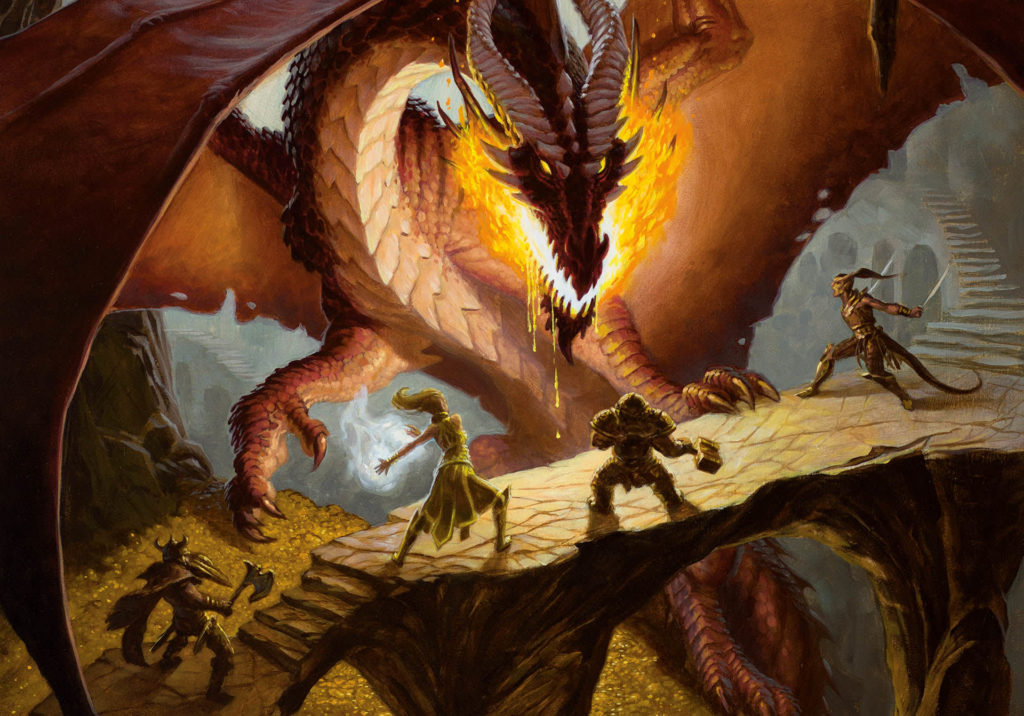
Balancing combat ensures encounters are challenging but fair. Challenge Rating (CR) is a guideline for monster strength. Roughly, a monster of CR equal to the party’s level should challenge about four adventurers of that level. For example, four level 3 adventurers would find a CR 3 monster an appropriate challenge. This helps DMs estimate which enemies are too weak, too strong, or just right for the party, though it’s always an approximation and can be adjusted depending on context.
When balancing encounters, DMs should consider the party’s abilities and resources. If players have strong area-of-effect spells or crowd-control abilities, hordes of weak enemies might be easy, so throwing fewer but tougher enemies works better. Conversely, a party with high single-target damage and few healing options may struggle against a single boss with lots of hit points or regeneration. Magic items also shift balance; powerful weapons, healing items, or utility items can make a fight easier, so account for what the party has access to.
Finally, think about the type of challenge you want to create. Is the encounter meant to test strategy, coordination, or resource management? Consider whether the party is better at dealing with multiple small foes or a single tough enemy, and adjust accordingly. Balancing is not about perfection; it’s about creating fun, meaningful tension. Don’t hesitate to adjust on the fly or ask for advice—over time, you’ll get a feel for what works best for your group.
D&D has countless enemies, from common monsters to iconic villains. Some classic examples include:
Mimics: Shape-shifting monsters often disguised as treasure chests.
Beholders: Floating creatures with multiple eye rays.
Mind Flayers: Psionic, brain-eating villains.
Gelatinous Cubes: Oozes that engulf and digest.
Dragons: Legendary creatures with immense power and variety.
Tarrasques: One of the most powerful monsters in D&D, nearly unstoppable.
Iconic bosses include Vecna (powerful lich and god), Strahd (vampire lord), and Tarrasque (sometimes used as a campaign-defining enemy). These creatures offer high-stakes encounters and are often tied to major story arcs. While you don’t need to use all of them, they provide inspiration for memorable and challenging enemies.